AC Services: Trusted Air Conditioner Repair
Extensive Air Conditioning Services: Maintain Your Home Cool Throughout the Year
Detailed air conditioning solutions serve a vital purpose in keeping a pleasant home all year long. Scheduled maintenance not only enhances system performance but also helps in detecting possible problems before they worsen. Homeowners regularly overlook the significance of professional installation and timely repairs. Understanding these factors can substantially impact comfort levels and power consumption. What are the critical factors to examine for peak air conditioning operation?
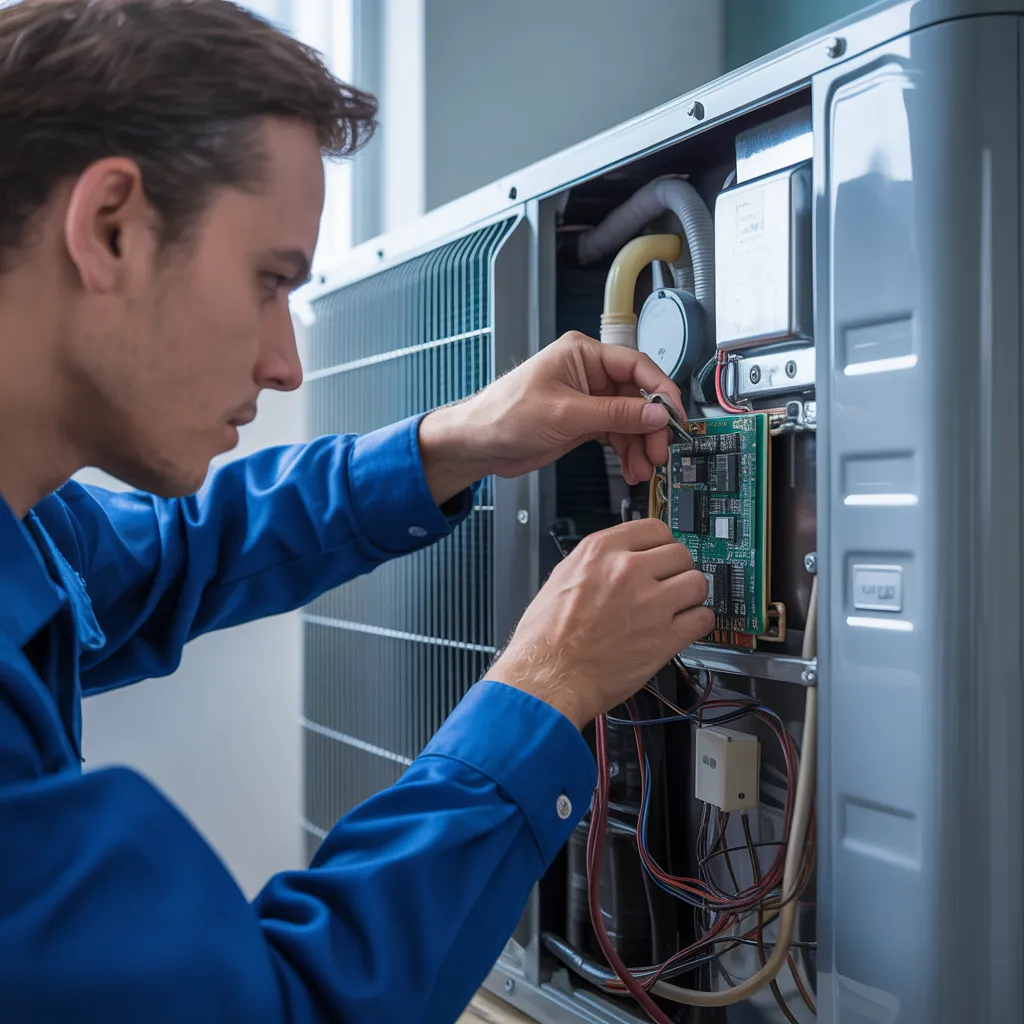
The Significance of Frequent Air Conditioning Care
Consistent air conditioning servicing serves as an essential element in ensuring optimal functionality and lifespan of HVAC systems. Frequent assessments and maintenance work help to identify possible problems before they escalate into costly repairs. By cleaning filters, assessing refrigerant levels, and examining electrical components, maintenance activities can greatly boost the effectiveness of the system.
Furthermore, consistent upkeep supports energy savings, as a properly serviced air conditioner operates more efficiently, lowering electricity bills. Additionally, it helps maintain indoor air quality by reducing dust and allergens circulating in the home.
Disregarding regular care can cause weakened efficiency, amplified energy consumption, and a reduced lifespan for the system. As a result, arranging consistent upkeep not only defends comfort levels but also guarantees that the air conditioning unit functions at maximum efficiency throughout its operational span. Ultimately, committing to maintenance is a strategic approach that functions to safeguard both the system and the quality of life of its occupants.
How to Identify When Your AC Needs Repair?
Identifying when an AC unit requires repair is essential for maintaining comfort. Unusual noises can indicate hidden mechanical issues, while irregular temperature levels may suggest a faulty system. Recognizing these signs promptly can prevent further damage and ensure efficient operation.
Unusual Sounds From Unit
Strange noises coming from an air conditioning unit can point to underlying problems that demand immediate care. Common noises include rattling, which may suggest loose parts, and hissing, potentially revealing refrigerant leaks. A grinding sound frequently indicates deteriorated bearings or motors, while a high-pitched squeal might suggest a failing compressor. Each of these sounds functions as a warning that something is amiss, demanding a professional inspection. Ignoring these auditory cues could lead to more significant damage and expensive repairs. Property owners must stay vigilant and address any strange noises quickly to maintain the unit's efficiency and longevity. Recognizing these warning signs can prevent further complications and guarantee a comfortable living environment.
Uneven Temperature Performance
Strange noises from an air conditioning unit can often signify problems, but inconsistent temperature output is another significant warning sign that repair may be necessary. Homeowners may notice that some rooms remain too warm while others are unusually cold, suggesting that the system is struggling to distribute air evenly. This inconsistency can stem from various issues, including a malfunctioning thermostat, blocked ducts, or refrigerant leaks. Additionally, dirty filters may hinder airflow, exacerbating temperature discrepancies. To address these concerns, routine maintenance checks are crucial. Homeowners should monitor their unit’s performance and seek professional assistance when inconsistencies arise. Timely intervention can prevent further damage and guarantee the air conditioning system operates efficiently, maintaining comfort throughout the home year-round.
How to Choose the Top Air Conditioning Unit for Your Needs
Determining the top air conditioning unit requires deliberate analysis of numerous key elements. Analyzing area requirements, factoring in operational capability scores, and assessing implementation and servicing demands are crucial steps in this method. By zeroing in on these elements, individuals can reach an informed selection that most ideally fits their surroundings and spending limitations.
Evaluate Your Space Requirements
When evaluating space needs, comprehending the unique characteristics of a home or office is crucial for selecting the ideal air conditioning system. Elements such as square footage, ceiling height, and insulation quality directly influence the system's effectiveness. Additionally, the layout of the space—considering spacious layouts versus divided spaces—affects air circulation. Homes with large windows or direct sunlight may need more cooling capacity, while shaded or smaller spaces may need less. It is also important to evaluate the number of occupants, as human activity generates heat, affecting cooling needs. By thoroughly examining these elements, individuals can choose a system that guarantees maximum comfort and efficiency customized to their specific environment.
Examine Electrical Consumption Ratings
How can one ensure optimal comfort while reducing energy costs? The solution lies in taking into account energy efficiency ratings when selecting an air conditioning system. These ratings, such as SEER (Seasonal Energy Efficiency Ratio) and EER (Energy Efficiency Ratio), provide valuable insights into the system's performance. Higher ratings indicate improved efficiency, translating to lower energy bills and a decreased environmental impact.
Homeowners should focus on units with a high SEER rating, as these models can considerably decrease energy demand over time. Additionally, contrasting the energy efficiency of different systems can help identify the best option for specific needs. Overall, making deliberate decisions based on energy efficiency ratings can lead to long-term economic gains and enhanced comfort in the home.
Assess Deployment and Maintenance
Assessing installation and maintenance aspects is essential for homeowners looking to select the best air conditioning system. Correct installation provides maximum performance and longevity, whereas poor installation can result in inefficiencies and expensive repairs. Homeowners should seek professional installation services with a reliable history to guarantee compliance with local codes and manufacturer instructions. Moreover, maintenance needs significantly impact the system's lifespan. Evaluating how accessible components are for regular servicing can shape the decision. Systems requiring less frequent upkeep or featuring user-friendly elements, like washable filters, might be better choices. In the end, a properly installed and easily maintainable air conditioning system enhances comfort and lowers long-term expenses for homeowners.
Why Professional Air Conditioning Setup Matters
While some may consider DIY installation as a cost-effective alternative, professional air conditioning installation plays an essential role in guaranteeing system efficiency and longevity. Skilled professionals possess the knowledge to evaluate the particular air conditioning requirements of a residence, selecting the appropriate unit dimensions and variety. Correct setup reduces the likelihood of common issues such as air leaks, improper airflow, and insufficient coolant amounts, all of which can lead to increased utility expenses and decreased satisfaction.
Moreover, qualified professionals adhere to local codes and regulations, ensuring safety and compliance. They also offer warranties on both the installation and the equipment, offering peace of mind for homeowners. With their knowledge, technicians can identify potential problems early, preventing costly repairs down the line. Ultimately, selecting professional installation not only boosts comfort but also maximizes the lifespan of the air conditioning system, making it a wise choice for any homeowner.
What Actions to Take When You Need Urgent AC Assistance?
Confronting a unexpected air conditioning failure can be overwhelming, especially during hot summer months. When such an situation happens, the first step is to assess the situation. Homeowners should review the thermostat settings and verify that the unit is getting power. If the issue persists, it is recommended to turn off the system to prevent further harm.
Next, getting in touch with a professional HVAC technician is vital. Seeking emergency services is crucial, as they have the expertise to diagnose and resolve issues quickly. Homeowners should provide detailed information about the problem to enable efficient service.
While awaiting assistance, securing windows and doors sealed can help preserve a cooler indoor environment. Also, operating fans can improve air circulation. Lastly, having a list of trusted HVAC professionals on hand can minimize stress in future emergencies, guaranteeing prompt and effective care whenever needed.
Ways to Boost Your HVAC Efficiency
After resolving an urgent AC concern, homeowners may explore strategies to improve their HVAC performance. Regular maintenance, including filter changes and system assessments, plays a crucial role in optimizing efficiency. Clean filters enable for improved airflow, reducing energy usage. In addition, sealing ductwork prevents air leaks, guaranteeing that conditioned air reaches its intended destination.
Investing in a programmable thermostat can also lead to significant energy savings. This system allows homeowners to set schedules, adjusting temperatures based on occupancy. Moreover, ensuring proper insulation in wall cavities and attic spaces minimizes heat transfer, contributing to a more stable indoor environment.
In conclusion, moving toward energy-efficient models, such as those with high SEER ratings, can substantially boost overall effectiveness. Through applying these strategies, residents can boost comfort while also decreasing energy expenses, making their HVAC systems more productive throughout the year.
Frequently Requested Questions
How many times Should I replace My Air Filter?
Air filters ought to be replaced every one to three months, based on usage and environmental factors. Routine maintenance provides peak air quality and system efficiency, lengthening the lifespan of the air conditioning unit.
What Affects the Lifespan of an Air Conditioning Unit?
An air conditioning unit typically lasts between 12 to 15 years. Elements including preventive maintenance, daily operation, and installation standards can affect this expected life, necessitating timely replacements to guarantee superior performance and operational efficiency.
Can I Install an AC System Myself?
You can install an AC system yourself, but it requires advanced skills and tools. Mistakes can relevant resource cause suboptimal performance or health risks, so many recommend contracting an expert for proper setup and functionality.
What Are the Signals of Poor Indoor Air Quality?
Evidence of inferior indoor air quality involves stubborn odors, increased allergy symptoms, visible mold growth, extensive dust amassing, and fluctuating humidity levels. These pointers suggest the need for enhanced ventilation and air decontamination solutions.
How Does Humidity Affect Air Conditioning Performance?
Humidity notably impacts air conditioning performance by forcing systems to operate at greater capacity to control temperature and moisture levels. High humidity can decrease efficiency, resulting in higher energy consumption and potential stress on the unit.